Our Services

Excellence in Every Service, Every Time

Mulching & Brush Cutting

Our mulching and brush cutting services provide efficient land clearing solutions to maintain a clean, healthy, and accessible landscape. We use professional-grade equipment to remove overgrown vegetation, small trees, and thick brush, preventing regrowth and reducing fire hazards. Whether you’re managing a pasture, preparing land for development, or enhancing property aesthetics, our eco-friendly methods ensure minimal soil disturbance while promoting long-term land health

Click Here to See In Action

Skidsteer Services

Our skid steer services provide versatile and efficient solutions for all your landscaping and property needs. From grading and leveling to clearing debris and preparing land for new projects, our skid steer equipment ensures precision and efficiency. Whether you need to install driveways, spread gravel, remove brush, or tackle excavation work, we deliver professional results that enhance the beauty, functionality, and value of your property. Let us handle the heavy lifting while you enjoy a well-maintained and properly prepared landscape.

Screw piles, also known as helical piles, are a type of deep foundation used to support structures, particularly in areas with weak or unstable soil. They consist of a steel shaft with one or more helical blades (or “screws”) attached to the bottom. These blades are designed to penetrate the ground by rotating, similar to a screw being driven into wood.

A screw pile typically has three components:

  • Shaft: The vertical steel column that transfers the load from the structure to the ground.
  • Helical Plates: Spiral-shaped blades attached to the end of the shaft that facilitate the pile’s installation by cutting through soil and rock.
  • Cap or Head: The top portion where the pile connects to the structure or foundation system.

Installation: Screw piles are installed by rotating them into the ground using a hydraulic motor or a rotary drill. The helical blades cut through the soil, allowing the pile to be driven to the desired depth.

Advantages:

  • Quick Installation: They can be installed faster than traditional piles because they don’t require pre-drilling or extensive excavation.
  • Load-Bearing Capacity: The helical blades provide both skin friction and end-bearing capacity, which can support substantial loads.
  • Minimal Vibration: The installation process generates minimal disturbance, making screw piles suitable for sensitive environments and existing structures.
  • Versatility: They can be used in various soil conditions, including soft clay, loose sand, and even in rocky areas.


Applications: Screw piles are commonly used in both residential and commercial construction, including for foundations of buildings, bridges, and solar panel supports. They are also used in areas where traditional foundations might be impractical due to soil conditions or space constraints.

Screw piles offer a reliable and efficient solution for foundation support, especially in situations where conventional methods might be less effective or more disruptive.

Click Here to See Job in Action


A grapple bucket is an attachment for heavy machinery, such as excavators or loaders. It combines the functionality of a bucket with a set of hydraulic grapples or jaws that can grasp and manipulate materials. This makes it especially useful for land clearing tasks where large, cumbersome materials need to be moved or removed.

Components of a Grapple Bucket

  1. Bucket: The main component is the bucket itself, which collects and holds materials. It often has a large, open area that can scoop up debris, soil, or rocks.
  2. Grapples/Jaws: Attached to the bucket are hydraulic grapples or jaws. These can open and close to grasp and hold materials securely. The jaws are typically operated by hydraulic cylinders and can be configured in various designs (e.g., single or double grapple).
  3. Hydraulic System: The grapple bucket is powered by the machine’s hydraulic system, which controls the movement of the grapples and allows for precise handling of materials.

How Does a Grapple Bucket Work?

  1. Attachment: The grapple bucket is mounted onto a heavy machine, like an excavator or loader. It is connected via hydraulic lines that allow it to operate effectively.
  2. Operation:
    • Scooping: The bucket is used to scoop up materials such as soil, rocks, or debris.
    • Grasping: The hydraulic grapples can open and close around the material, allowing the operator to grip and lift it securely.
    • Transporting: Once grasped, the material can be moved to a different location, such as a dump site or processing area.
    • Sorting and Clearing: The grapple bucket can also be used to sort and separate materials on-site, which can be helpful for sorting debris or clearing brush.

Benefits of Using a Grapple Bucket

  1. Efficiency: It allows for quick and efficient handling of large quantities of materials, reducing the time required for land clearing and site preparation.
  2. Versatility: Grapple buckets can handle a wide range of materials, including rocks, brush, tree stumps, and construction debris. This makes them versatile tools for various land clearing tasks.
  3. Precision: The hydraulic control allows for precise handling of materials, which is important when working in tight spaces or near existing structures.
  4. Reduced Manual Labor: By mechanizing the process of handling and moving materials, a grapple bucket reduces the need for manual labor and increases overall productivity.

Applications in Land Clearing

  1. Clearing Brush and Trees: The grapple bucket is effective for removing and transporting dense brush, small trees, and other vegetation.
  2. Removing Debris: It can be used to clear construction debris, rocks, and other obstacles from a site.
  3. Preparing Sites: The attachment is useful in preparing land for new construction, agriculture, or landscaping by removing unwanted materials.
  4. Sorting Materials: It can help in sorting materials on-site, which is useful for recycling or separating usable resources from waste.

Safety Considerations

  1. Operator Training: Operators should be properly trained in using the grapple bucket to ensure safe and effective operation.
  2. Inspection: Regular inspection and maintenance of the grapple bucket and its hydraulic system are essential to ensure safe performance.
  3. Site Awareness: Operators should be aware of their surroundings to avoid accidents or damage to existing structures.

Click Here to Watch in Action

Snow removal, also known as snow clearing, is the process of removing snow from surfaces such as roads, driveways, sidewalks, and parking lots to ensure safety and accessibility. It’s an essential task during winter months to prevent accidents, maintain traffic flow, and ensure that essential services can operate smoothly.It typically includes several activities such as plowing, shoveling, salting, and sanding, depending on the severity of the snowfall and the specific needs of the area.

Methods of Snow Removal

  1. Plowing:
    • Equipment: Snow plows are commonly used for plowing. They are attached to vehicles such as trucks, tractors, or loaders.
    • Operation: The plow blade pushes snow to the side of the road or parking lot, clearing a path for vehicles and pedestrians. Plows can be adjusted to different angles and heights to handle varying snow depths and conditions.
  2. Shoveling:
    • Manual Shoveling: For smaller areas such as driveways or sidewalks, snow shovels are used. Shoveling is labor-intensive but effective for clearing snow from areas that are too small for larger equipment.
    • Powered Shovels: Snow shovels with powered augers or blades can assist in manual snow removal by reducing physical effort and increasing efficiency.
  3. Snow Blowing:
    • Equipment: Snow blowers or snow throwers are used for clearing snow. These machines have rotating augers that scoop up snow and throw it out of a discharge chute.
    • Operation: Snow blowers are suitable for both residential and commercial snow removal, especially in areas with moderate to heavy snowfall. They come in single-stage and dual-stage designs, with dual-stage models being more effective for deeper snow.
  4. Salting and Sanding:
    • Salting: Salt is spread on roads and sidewalks to melt ice and snow. Salt lowers the freezing point of water, making it easier for snow and ice to melt.
    • Sanding: Sand is spread to provide traction on icy surfaces. It does not melt snow or ice but helps prevent slips and falls by improving surface grip.
  5. Snow Plows with Spreaders:
    • Equipment: Trucks equipped with both snow plows and spreaders can plow snow while simultaneously spreading salt or sand.
    • Operation: This combination allows for efficient removal and de-icing in one pass, making it suitable for large-scale snow removal operations.
  6. Snow Melting:
    • Equipment: Snow melting machines are used for large quantities of snow. These machines melt snow and drain it away as water.
    • Operation: Snow melting is used in areas where snow cannot be easily moved or stored, such as busy urban areas or locations with limited storage space.

Benefits of Snow Removal

  1. Safety: Removing snow and ice reduces the risk of accidents for pedestrians and drivers. It helps prevent slips, falls, and vehicle collisions.
  2. Accessibility: Clear roads and walkways ensure that essential services, such as emergency response and public transportation, can operate without obstruction.
  3. Traffic Flow: Snow removal helps maintain smooth traffic flow, reducing congestion and delays caused by snow-covered roads.
  4. Property Protection: Regular snow removal prevents damage to surfaces and infrastructure, such as driveways and parking lots, by preventing ice buildup and minimizing wear and tear.

Safety Considerations

  1. Proper Equipment Use: Ensure that snow removal equipment is used correctly and maintained regularly to prevent accidents and ensure efficiency.
  2. Personal Safety: Operators should wear appropriate safety gear, such as reflective clothing and gloves, to protect against cold weather and enhance visibility.
  3. Environmental Impact: Consider the impact of salt and other de-icing materials on the environment. Use environmentally friendly alternatives when possible.
  4. Clear Communication: For large-scale operations, clear communication among team members and with the public is important to coordinate efforts and inform people of cleared areas.

Applications

  • Residential: Clearing driveways, sidewalks, and private pathways.
  • Commercial: Managing snow in parking lots, building entrances, and walkways.
  • Municipal: Snow removal on streets, highways, and public spaces

Click Here to Watch in Action

Auger service involves using specialized equipment to drill holes for various purposes. Augers can handle a range of tasks, from digging post holes for fences to boring deep holes for foundations or utilities. The auger is chosen based on the specific requirements of the job, such as the size of the hole, the depth needed, and the type of material being drilled.

Types of Augers

  1. Handheld Augers:
    • Manual Augers: Used for smaller projects, such as planting trees or installing small posts. These are operated by hand and are suitable for softer soil conditions.
    • Powered Augers: These are gasoline-powered and designed to handle tougher jobs. They are more efficient than manual augers and are used for medium-sized drilling tasks.
  2. Post Hole Augers:
    • Post Hole Diggers: Specifically designed for digging narrow, deep holes for fence posts, signposts, or other vertical installations. They are usually mounted on tractors or other machinery for greater efficiency.
  3. Earth Augers:
    • Single and Dual Flight Augers: These are used for larger-scale projects and can be attached to skid steers, excavators, or tractors. They are capable of drilling larger and deeper holes and are used for applications like planting trees, installing poles, or boring wells.
  4. Screw Augers:
    • Helical Augers: These augers use a helical blade to cut into the material, similar to how a screw operates. They are often used for deep foundation work and can handle various soil conditions.
  5. Core Augers:
    • Core Drilling: Used to extract a cylindrical core of material from the ground or other surfaces. This is often used for soil testing, geological surveys, or to install foundation piles.

How Auger Service Works

  1. Preparation:
    • Assessment: Determine the type of auger needed based on the job requirements, including hole size, depth, and material type.
    • Site Inspection: Inspect the site to ensure it’s suitable for drilling and to identify any potential obstacles or hazards.
  2. Operation:
    • Setup: Position the auger equipment over the drilling location. For powered or large-scale augers, ensure the equipment is correctly mounted and calibrated.
    • Drilling: Operate the auger to bore into the ground or material. The auger’s rotating blade or screw mechanism cuts and removes material from the hole.
    • Monitoring: Continuously monitor the drilling process to ensure it meets the required specifications and to address any issues that arise.
  3. Post-Operation:
    • Removal: Extract the auger from the hole once the desired depth is reached.
    • Cleanup: Remove any debris or soil from the drilling site and inspect the hole to ensure it meets the required standards.

Applications of Auger Service

  1. Construction:
    • Foundation Work: Drilling holes for foundation piers, posts, or footings.
    • Utility Installation: Boring holes for utility poles, anchors, or underground utilities.
  2. Landscaping:
    • Tree Planting: Creating holes for planting trees and shrubs.
    • Fence Installation: Digging post holes for fencing and other structures.
  3. Agriculture:
    • Soil Sampling: Extracting soil samples for analysis.
    • Planting: Preparing holes for crops or other agricultural installations.
  4. Environmental and Geological Work:
    • Core Sampling: Collecting samples for geological surveys or environmental studies.
    • Well Drilling: Boring wells for water extraction or monitoring.

Benefits of Auger Service

  1. Efficiency: Augers can quickly and accurately drill holes, saving time compared to manual methods.
  2. Precision: They provide consistent hole sizes and depths, which is crucial for construction and planting.
  3. Versatility: Augers can handle a variety of materials and applications, from soft soils to harder ground.
  4. Reduced Labor: Mechanized augers reduce the need for manual labor and can handle larger-scale projects more effectively.

Safety Considerations

  1. Proper Training: Operators should be trained in the use of auger equipment to prevent accidents and ensure efficient operation.
  2. Maintenance: Regular maintenance of auger equipment is essential to ensure safe and effective performance.
  3. Site Safety: Ensure the work area is clear of obstacles and hazards, and use appropriate safety gear to protect operators.

Concrete breaking refers to the process of demolishing or dismantling concrete structures to prepare a site for new construction or renovation. This can involve breaking up concrete slabs, walls, foundations, or other elements.

Methods of Concrete Breaking

  1. Manual Tools:
    • Sledgehammers: For small-scale projects, such as breaking up small sections of concrete, a sledgehammer can be used. This method is labor-intensive and less efficient for large areas.
    • Pry Bars and Wrecking Bars: These tools are used in conjunction with hammers to pry apart or break up concrete pieces.
  2. Power Tools:
    • Jackhammers: Also known as pneumatic hammers, jackhammers are used for breaking up large concrete surfaces. They are powered by compressed air and can efficiently break through tough concrete.
    • Demolition Hammers: These are electric or pneumatic tools designed for breaking concrete. They come in various sizes and are used for medium to heavy demolition work.
    • Concrete Sawing: For cutting precise lines or sections of concrete, diamond-bladed saws can be used. This is often done before breaking up the concrete to make removal easier.
  3. Hydraulic Breakers:
    • Hydraulic Breakers: Mounted on excavators or loaders, hydraulic breakers (or hydraulic hammers) use hydraulic power to deliver high-impact blows, breaking up large sections of concrete efficiently.
  4. Controlled Demolition:
    • Explosive Demolition: In some cases, controlled explosives may be used to bring down large concrete structures. This method requires careful planning and safety measures.
    • Wire Saws: These are used for cutting concrete structures, especially in cases where precision is required, such as in bridge or high-rise demolition.

Concrete Disposal

Concrete disposal involves managing and disposing of broken or removed concrete. Proper disposal is important for environmental and safety reasons.

Methods of Concrete Disposal

  1. Recycling:
    • Crushing: Broken concrete can be crushed into smaller pieces, known as recycled concrete aggregate (RCA). This material can be used in new construction projects, such as roadbeds, concrete subbases, or backfill.
    • Screening and Sorting: After crushing, the recycled material is screened to remove contaminants like wood, metal, or plastic, ensuring that it meets recycling standards.
  2. Landfilling:
    • Disposal in Landfills: If recycling is not feasible, concrete can be disposed of in landfills. This method is less environmentally friendly and is typically used as a last resort.
  3. Reuse:
    • Repurposing: In some cases, broken concrete can be repurposed for other uses, such as creating erosion control structures, decorative elements, or landscape features.
  4. Crushing On-Site:
    • Mobile Crushers: Some projects use mobile crushing equipment on-site to break down and process concrete immediately. This reduces transportation costs and allows for the reuse of the material on the same site.

Benefits and Considerations

  1. Benefits:
    • Cost Savings: Recycling concrete can reduce disposal costs and provide material for future projects.
    • Environmental Impact: Recycling concrete helps conserve natural resources and reduces the amount of waste sent to landfills.
    • Efficient Use of Resources: Repurposing concrete reduces the need for new materials and minimizes environmental impact.
  2. Considerations:
    • Safety: Concrete breaking involves heavy machinery and tools, so safety protocols must be followed to prevent injuries.
    • Regulations: Local regulations may dictate how concrete must be disposed of or recycled, so it’s important to be aware of and comply with these rules.
    • Equipment Maintenance: Proper maintenance of breaking and crushing equipment is essential to ensure safety and efficiency.

Applications

  • Construction: Breaking up old concrete to make way for new foundations, slabs, or structures.
  • Renovation: Removing outdated or damaged concrete surfaces during building renovations.
  • Demolition: Dismantling concrete buildings or structures as part of a larger demolition project.

A broom sweeper is a machine equipped with rotating brushes and a collection system to sweep and remove dirt, debris, and other materials from various surfaces. It is commonly used for both outdoor and indoor cleaning tasks and is suitable for large areas where manual sweeping would be impractical.

Components of a Broom Sweeper

  1. Brushes:
    • Main Brush: The primary component, usually a large, cylindrical brush, rotates to sweep debris off the surface. It can be made from different materials, such as nylon or polypropylene, depending on the type of surface being cleaned.
    • Side Brushes: These are additional brushes mounted on the sides of the sweeper. They extend the reach of the machine, allowing it to clean edges and corners effectively.
  2. Collection System:
    • Hopper: The debris and dust picked up by the brushes are collected in a hopper or container. This can be a removable bin or a built-in tank, depending on the sweeper’s design.
    • Dust Control: Some sweepers include dust control systems, such as water sprays or vacuum systems, to reduce airborne dust and improve air quality.
  3. Drive Mechanism:
    • Power Source: Broom sweepers can be powered by various sources, including gasoline engines, diesel engines, or electric motors. The choice of power source depends on the size of the sweeper and the nature of the cleaning tasks.
    • Transmission: The power from the engine or motor is transmitted to the brushes and wheels, enabling the sweeper to move and operate.
  4. Controls:
    • Operator Controls: Broom sweepers typically have controls for adjusting the speed of the brushes, the height of the main brush, and the operation of the side brushes and dust control features.
  5. Frame and Chassis:
    • Structure: The frame supports all the components of the sweeper and is designed for durability and stability during operation. The chassis is usually equipped with wheels or tracks for mobility.

How Does a Broom Sweeper Work?

  1. Operation:
    • Sweeping: As the sweeper moves across a surface, the rotating main brush sweeps debris toward the center of the machine.
    • Collection: The side brushes direct debris toward the main brush, where it is lifted and transferred to the hopper or collection container.
    • Dust Control: Some models spray water or use vacuum systems to capture dust and prevent it from becoming airborne.
  2. Mobility:
    • Movement: The sweeper moves forward, propelled by its wheels or tracks. The operator controls the direction and speed, allowing for efficient and thorough cleaning.
  3. Emptying:
    • Disposal: Once the hopper or container is full, the collected debris is emptied and disposed of according to local regulations or needs.

Benefits of Using a Broom Sweeper

  1. Efficiency: Broom sweepers cover large areas quickly, making them more efficient than manual sweeping, especially for commercial or industrial applications.
  2. Thorough Cleaning: They effectively remove debris from surfaces, including fine dust and larger particles, providing a cleaner and safer environment.
  3. Versatility: Broom sweepers can be used on various surfaces, including asphalt, concrete, and industrial floors, and can handle different types of debris.
  4. Cost-Effective: By reducing the need for manual labor and improving cleaning speed, broom sweepers can be cost-effective for maintaining large areas.

Applications

  • Street Cleaning: Used by municipalities to keep streets and public areas clean.
  • Parking Lots: Maintains cleanliness in commercial and residential parking areas.
  • Industrial Sites: Cleans factory floors and warehouse spaces, removing dust and debris.
  • Sidewalks: Keeps pedestrian areas clean and free from litter.

Safety Considerations

  1. Operator Training: Operators should be trained to use the equipment safely and efficiently.
  2. Maintenance: Regular maintenance of the brushes, collection system, and power components is essential to ensure optimal performance and longevity.
  3. Dust Management: Proper dust control measures should be in place to minimize dust exposure and ensure a safe working environment.

Click Here to Watch In Action

Click Here to Watch In Action

Light Hauling

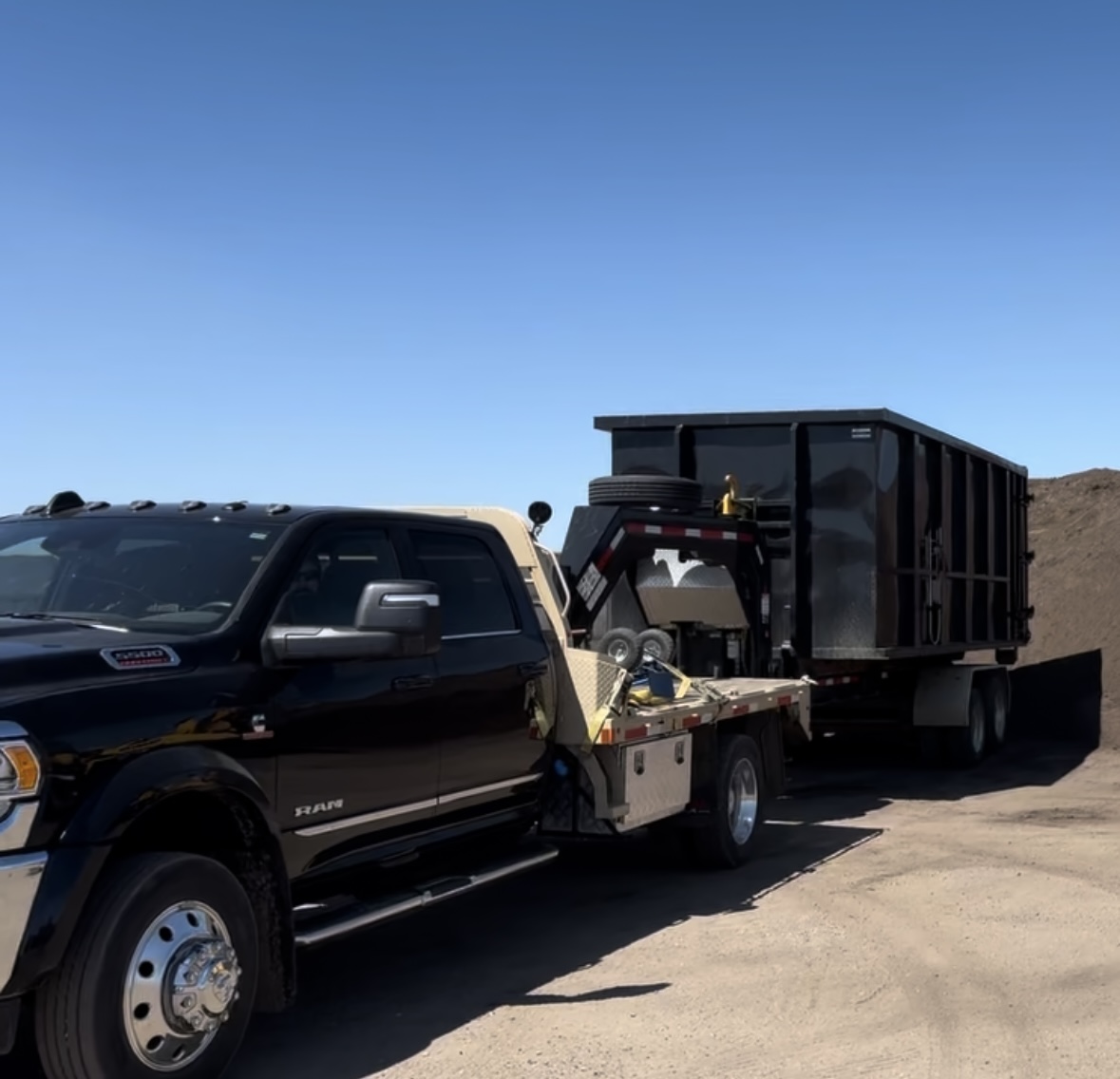
Our light hauling services provide a hassle-free solution for transporting materials, debris, equipment, and more. Whether you need gravel, mulch, or construction materials delivered to your site or require debris and unwanted items removed, we have the right equipment to get the job done safely and efficiently. We handle small to medium loads with care, ensuring timely and professional service to keep your projects moving smoothly.

Landscaping Services

Landscaping involves the design, planning, and maintenance of outdoor spaces to enhance their aesthetic appeal and functionality. It includes tasks such as planting trees and shrubs, installing hardscapes like patios and walkways, and creating features like gardens and water elements. Good landscaping balances beauty and practicality, transforming ordinary yards into inviting and sustainable environments.

Tree removal and pruning are essential aspects of tree care to ensure safety, health, and aesthetic appeal.

Tree Removal: This process involves cutting down a tree and removing its stump and roots. It’s typically done when a tree is dead, diseased, or poses a risk to property or people. Professional removal ensures that the process is safe and efficient, as large trees can be hazardous and challenging to handle.

Tree Pruning: Pruning is the selective removal of branches or stems to improve a tree’s structure and health. It helps to remove dead or diseased branches, reduce overcrowding, and shape the tree for better growth. Proper pruning can enhance the tree’s appearance, increase light penetration, and prevent potential hazards like falling branches.

Both practices require knowledge and skill to avoid damaging the tree or surrounding areas, and it’s often best to consult with a professional arborist.


Grading in landscaping and construction refers to the process of leveling or adjusting the slope of the ground to achieve specific purposes. It involves reshaping the terrain to ensure proper drainage, prevent erosion, and create a stable foundation for construction or landscaping projects.

Grading: This technique involves either cutting (removing soil) or filling (adding soil) to achieve the desired contour of the land. It is crucial for directing water away from structures to avoid water damage and pooling. Proper grading also improves accessibility and can enhance the overall aesthetic and functionality of outdoor spaces.

In summary, grading helps ensure that the land is prepared correctly for various uses, whether for building, landscaping, or preventing water-related issues.

Water management involves the strategic planning and implementation of systems to efficiently use and control water resources. In landscaping and construction, it focuses on optimizing water usage to enhance plant health, prevent erosion, and manage runoff.

Water Management: This practice includes designing and maintaining irrigation systems, such as sprinklers and drip systems, to provide plants with the right amount of water while minimizing waste. It also involves creating drainage solutions to direct excess water away from structures and prevent flooding. Effective water management aims to conserve water, reduce environmental impact, and ensure that both natural and built environments remain functional and sustainable.


Lawn care involves the regular maintenance and management of grass and other plants in a yard or garden to ensure a healthy, lush, and attractive lawn. It encompasses a variety of tasks aimed at promoting optimal growth and appearance.

Lawn Care: This includes activities such as mowing to keep the grass at the desired height, fertilizing to provide essential nutrients, and watering to maintain adequate moisture.

Additional tasks may involve aerating the soil to improve root health, controlling weeds and pests to prevent damage, and overseeding to fill in bare spots and enhance density. Regular lawn care helps to create a vibrant and well-maintained outdoor space, contributing to the overall beauty and usability of the area.


Tree planting is a vital aspect of landscaping and environmental stewardship that involves selecting, positioning, and establishing trees in an outdoor space. The process is designed to enhance aesthetic appeal, improve air quality, provide shade, and contribute to ecological balance. Here’s a detailed explanation:

Tree Planting: The process of tree planting begins with careful planning and selection. Choosing the right tree species for the specific climate, soil type, and intended purpose is crucial. Factors such as the tree’s growth habits, mature size, and potential impact on nearby structures or utilities are considered to ensure compatibility with the environment and the needs of the landowner.

Preparation: Once the tree species is selected, the next step is site preparation. This involves evaluating the planting location, ensuring it receives adequate sunlight, and checking soil conditions. The area must be cleared of debris and weeds to reduce competition for nutrients and water. In some cases, soil may need to be amended to improve drainage or nutrient content.

Planting: The actual planting process starts with digging a hole that is generally twice as wide as the root ball of the tree but only as deep as the root ball. This ensures that the roots have ample space to spread out while avoiding the risk of the tree being planted too deep. The tree is then placed in the hole, ensuring that the root flare (where the roots begin to spread out from the trunk) is level with the surrounding soil. Backfilling the hole with soil and gently tamping it down eliminates air pockets and stabilizes the tree.

Watering and Mulching: After planting, the tree needs to be watered thoroughly to help settle the soil and provide moisture for the roots. Mulching around the base of the tree helps retain soil moisture, regulate temperature, and suppress weeds. However, mulch should be kept away from direct contact with the trunk to prevent rot and pest issues.

Staking and Maintenance: Depending on the size of the tree and local wind conditions, staking may be necessary to provide additional support during the initial growth period. Regular maintenance includes monitoring the tree’s health, checking for signs of pests or diseases, and ensuring it receives adequate water, especially during dry periods.

Long-Term Care: As the tree establishes itself, it requires ongoing care such as pruning to shape growth, remove dead or diseased branches, and ensure a strong structure. Proper care helps the tree grow to its full potential and contribute to the landscape effectively.

Overall, tree planting is a thoughtful and rewarding process that contributes significantly to environmental sustainability, enhances property value, and creates beautiful green spaces. Proper planning and care ensure that trees thrive and provide benefits for many years to come.


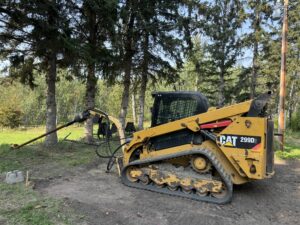
Stump grinding and removal are critical processes in landscape maintenance and tree management, especially after a tree has been cut down. Both methods address the remaining stump, which can be unsightly, hazardous, and a potential breeding ground for pests. Here’s an in-depth look at each process:

Stump Grinding

Definition: Stump grinding is a method used to remove the visible portion of a tree stump after the tree has been felled. Instead of completely removing the stump and roots from the ground, this process grinds the stump down into small wood chips or mulch.

Process:

  1. Assessment: Before grinding, a professional assesses the stump and surrounding area to determine the best approach. Factors such as the stump’s size, root spread, and proximity to structures or utilities are considered.
  2. Equipment: A stump grinder, a specialized machine equipped with a rotating blade or a high-speed disc, is used to perform the grinding. The grinder chews through the stump and roots, reducing them to wood chips.
  3. Grinding: The stump grinder is positioned over the stump, and the blade is lowered to grind the stump into chips. This process continues until the stump is reduced to a depth of about 6 to 12 inches below ground level, depending on the desired outcome.
  4. Cleanup: After grinding, the resulting wood chips and debris are typically spread over the area or removed, depending on the client’s preference. The remaining hole can be filled with soil, compost, or left as is, depending on future landscaping plans.

Advantages:
Efficiency: Grinding is a faster and less labor-intensive method compared to full stump removal.
Cost-Effective: Generally, stump grinding is less expensive than complete stump removal.
Minimal Disturbance: It causes less disruption to the surrounding landscape compared to methods that involve digging up the entire stump and root system.

Stump Removal

Definition: Stump removal is the process of completely extracting the stump and its root system from the ground. This method involves removing all remnants of the tree, including the underground roots.

Process:

  1. Assessment and Preparation: Similar to grinding, the site is evaluated to determine the extent of root removal required. This includes assessing the size and depth of the stump and roots, as well as any nearby structures or utilities.
  2. Excavation: Stump removal typically requires excavation equipment, such as a backhoe or excavator. The area around the stump is dug up to expose the roots. The excavation process involves removing soil and cutting through large roots.
  3. Root Cutting: Once the roots are exposed, they are cut using heavy-duty tools or machinery. The entire root system is then pulled out of the ground.
  4. Stump Extraction: After the roots are severed, the stump is lifted and removed from the hole. This often requires machinery due to the size and weight of the stump and root system.
  5. Site Restoration: The hole left by the removed stump is filled with soil or other materials. Additional landscaping may be needed to restore the area, including grading and replanting.

Advantages:
Complete Removal: Stump removal ensures that the entire root system is extracted, which prevents potential future growth of shoots and eliminates the risk of pests and diseases.
Cleared Space: Provides a clean slate for new planting or construction.

Considerations:
Cost: Stump removal is typically more expensive than grinding due to the extensive labor and machinery involved.
Disruption: The process can cause significant disturbance to the surrounding landscape and may require extensive cleanup.

Choosing the Right Method

The choice between stump grinding and removal depends on various factors, including the size of the stump, budget, future landscaping plans, and potential impact on the surrounding area. Stump grinding is generally preferred for its efficiency and lower cost, while stump removal is chosen for thoroughness and the ability to completely clear the site for new uses.

In summary, both stump grinding and removal are effective solutions for addressing tree stumps, with each method offering distinct advantages based on the specific needs of the landscape and the goals of the property owner.


Property Services

Property services involve comprehensive solutions for maintaining and clearing your space, including scrap metal removal, car removal, appliance salvaging, etc. These services efficiently handle the disposal and recycling of unwanted items, ensuring a clutter-free and organized property while promoting environmental responsibility.

Scrap metal/bin removal is a service designed to efficiently clear and dispose of unwanted metal items and waste materials from your property. This process involves:

  1. Collection: Gathering scrap metal and other waste from designated areas, including bins or storage spots.
  2. Sorting: Separating metals by type to ensure proper recycling and disposal.
  3. Transport: Removing the collected materials from your property and delivering them to recycling centers or appropriate disposal facilities.

Car removal is a service that involves the safe and efficient disposal of unwanted, abandoned, or non-operational vehicles. This process includes:

  1. Inspection and Assessment: Evaluating the vehicle’s condition to determine the best removal method.
  2. Collection: Arranging for the vehicle to be towed or transported from its location to a designated facility.
  3. Disposal: Handling the vehicle’s dismantling, recycling of parts, and proper disposal of any hazardous materials in compliance with environmental regulations.

Grading: This technique involves either cutting (removing soil) or filling (adding soil) to achieve the desired contour of the land. It is crucial for directing water away from structures to avoid water damage and pooling. Proper grading also improves accessibility and can enhance the overall aesthetic and functionality of outdoor spaces.

In summary, grading helps ensure that the land is prepared correctly for various uses, whether for building, landscaping, or preventing water-related issues.

Appliance salvaging is a service focused on the collection and processing of old or unwanted appliances for reuse, recycling, or proper disposal. This process includes:

  1. Collection: Picking up discarded or non-functional appliances from your property.
  2. Assessment: Evaluating appliances to determine if they can be repaired, refurbished, or if they are suitable for recycling.
  3. Dismantling: Carefully disassembling appliances to separate reusable parts, such as metal components, electronic elements, and recyclable materials.
  4. Recycling/Disposal: Ensuring that usable parts are repurposed and that remaining materials are recycled or disposed of in an environmentally responsible manner.

Pressurized container disposal involves the safe and responsible management of containers that are pressurized, such as aerosol cans, gas cylinders, or other containers holding gases under pressure. Proper disposal is crucial due to the potential hazards these containers pose, including explosion risks and environmental contamination.

Key aspects of pressurized container disposal include:

  1. Identification: Recognizing and categorizing pressurized containers based on their contents and type. This step ensures that the correct disposal methods are applied.
  2. Safety Precautions: Handling pressurized containers with care to prevent accidental release of contents or injury. This often involves wearing protective equipment and following safety protocols.
  3. Collection: Gathering the containers from the property, ensuring they are securely transported to a specialized disposal facility.
  4. Deactivation: In some cases, containers are depressurized or emptied using safe methods before disposal. This process reduces the risk of explosions and ensures the safe handling of remaining contents.
  5. Recycling/Disposal: Delivering the containers to a facility equipped to handle them, where they can be properly recycled or disposed of according to regulations. This may involve specialized recycling processes to recover valuable materials or safe disposal methods for hazardous contents.

Lawn Care: This includes activities such as mowing to keep the grass at the desired height, fertilizing to provide essential nutrients, and watering to maintain adequate moisture.

Additional tasks may involve aerating the soil to improve root health, controlling weeds and pests to prevent damage, and overseeding to fill in bare spots and enhance density. Regular lawn care helps to create a vibrant and well-maintained outdoor space, contributing to the overall beauty and usability of the area.


Our company specializes in the safe and efficient collection of vehicle and equipment batteries. We offer a convenient solution for disposing of old or used batteries, ensuring they are handled in an environmentally responsible manner.

Key aspects of our service include:

  1. Collection: We provide a streamlined process for picking up batteries from your location or offer drop-off points for easy access.
  2. Safe Handling: Our team follows strict safety protocols to manage batteries, preventing leaks and minimizing hazards.
  3. Proper Disposal: Batteries are transported to specialized recycling facilities where they are processed to recover valuable materials and properly manage any hazardous components.
  4. Environmental Compliance: We ensure all procedures comply with environmental regulations to protect the planet and support sustainable practices.

Tree Planting: The process of tree planting begins with careful planning and selection. Choosing the right tree species for the specific climate, soil type, and intended purpose is crucial. Factors such as the tree’s growth habits, mature size, and potential impact on nearby structures or utilities are considered to ensure compatibility with the environment and the needs of the landowner.

Preparation: Once the tree species is selected, the next step is site preparation. This involves evaluating the planting location, ensuring it receives adequate sunlight, and checking soil conditions. The area must be cleared of debris and weeds to reduce competition for nutrients and water. In some cases, soil may need to be amended to improve drainage or nutrient content.

Planting: The actual planting process starts with digging a hole that is generally twice as wide as the root ball of the tree but only as deep as the root ball. This ensures that the roots have ample space to spread out while avoiding the risk of the tree being planted too deep. The tree is then placed in the hole, ensuring that the root flare (where the roots begin to spread out from the trunk) is level with the surrounding soil. Backfilling the hole with soil and gently tamping it down eliminates air pockets and stabilizes the tree.

Watering and Mulching: After planting, the tree needs to be watered thoroughly to help settle the soil and provide moisture for the roots. Mulching around the base of the tree helps retain soil moisture, regulate temperature, and suppress weeds. However, mulch should be kept away from direct contact with the trunk to prevent rot and pest issues.

Staking and Maintenance: Depending on the size of the tree and local wind conditions, staking may be necessary to provide additional support during the initial growth period. Regular maintenance includes monitoring the tree’s health, checking for signs of pests or diseases, and ensuring it receives adequate water, especially during dry periods.

Long-Term Care: As the tree establishes itself, it requires ongoing care such as pruning to shape growth, remove dead or diseased branches, and ensure a strong structure. Proper care helps the tree grow to its full potential and contribute to the landscape effectively.

Overall, tree planting is a thoughtful and rewarding process that contributes significantly to environmental sustainability, enhances property value, and creates beautiful green spaces. Proper planning and care ensure that trees thrive and provide benefits for many years to come.